Skip to content

CAROTENOIDS IN THE NEWS

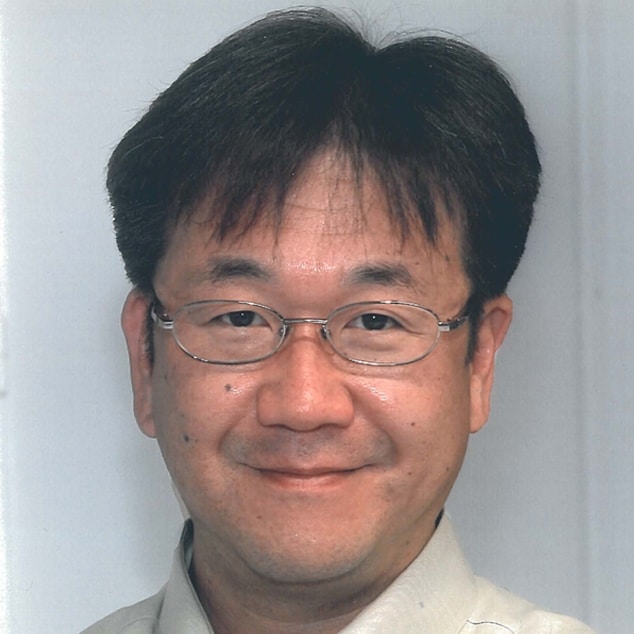
In memory of Professor Dr. Hans-Dieter Martin
A new type of carotenoid has been synthesized with a 2H­-pyran ring placed in the polyene chain. This compound was successively elongated by Wittig reactions. The pyran-carot­enoids obtained show a significant increased λmax compared with carotenoids lacking the pyran ring. A further remark­able bathochromic shift was observed upon protonation to pyranium-carotenoids. The pyranium ring is the distinctive feature of anthocyanidin dyes and has now become an in­ternal part of carotenoids. Eur. J. Chem. 2010, 435 – 439.
http://www3.interscience.wiley.com/cgi-bin/fulltext/...

Astaxanthin (1), a red-orange carotenoid pigment, is a powerful biological antioxidant that occurs naturally in a wide variety of living organisms. The potent antioxidant property of 1 has been implicated in its various biological activities demonstrated in both experimental animals and clinical studies. http://pubs.acs.org/doi/full/10.1021/np050354%2B

(3R,3′R,6′R)-Lutein (1) is a major dietary carotenoid that is abundant in most fruits and vegetables commonly consumed in the U.S. and that accumulates in the human plasma, major organs, and ocular tissues. Numerous epidemiological and experimental studies have shown that 1 has important biological activities and may play an important role in the prevention of age-related macular degeneration (AMD). A relatively straightforward methodology for the total synthesis of 1 and three of its stereoisomers has been developed. http://pubs.acs.org/doi/full/10.1021/jo900432r

AdaptiveThemes